In 1588, the Spanish Armada set out to invade England with one of the most powerful naval fleets in the world. Yet despite its enormous military strength, logistical failures, bad weather, and poor coordination helped bring it down.

The lesson? Your individual systems can be incredibly powerful, but if the infrastructure connecting them is fragile, the whole thing can collapse.
Fast forward to 2026. Something interesting is happening.
In just a matter of days, we’ve seen an extraordinary series of failures affecting critical infrastructure:
- FAA: A nationwide ground stop lasting approximately five hours, disrupting air traffic following a network infrastructure upgrade.
- Banking: JPMorgan Chase experienced a major disruption affecting transactions and banking services.
- Microsoft: Outlook and other enterprise services experienced widespread outages.
- U.S. National Security Administration (NSA): Even an internal classified communications network reportedly went offline during routine maintenance.
- Visa: A ransomware group claimed a breach. Visa acknowledged an incident involving a third-party provider, but said its own systems weren’t compromised.
- Optimizely: Attackers reportedly compromised a software platform and used it in a supply chain attack affecting websites associated with 178+ organizations.
What the heck is going on?
I’ve been asking security researchers, former hackers, and cybersecurity executives for their theories. Here are five interesting hypotheses.
To be clear, there’s no evidence these incidents are connected or represent coordinated cyberattacks. Several were attributed to technical failures.
But I think there’s a bigger story.
AI is accelerating the speed of both attack and defense. Yet the infrastructure underneath it is still running at yesterday’s speed.
Five Theories About What’s Happening
1. AI is accelerating change faster than infrastructure can handle.
Organizations are patching and deploying software at unprecedented speeds. But underneath modern applications are decades-old operating systems, fragile integrations, and equipment never designed for rapid change.
One researcher recalled pentesting a medical bone-density scanner running an unpatched Windows XP installation that the manufacturer would never update. Even routine Nmap scans could crash certain systems.
What happens when AI-speed changes meet infrastructure that can barely tolerate a security scan?
2. Emergency patching may be causing unintended outages.
AI is making vulnerability discovery and exploit chaining easier. A seemingly minor CVE can become critical when combined with other weaknesses.
Security teams face a brutal dilemma:
Patch faster and risk breaking production, or patch slower and risk being exploited at machine speed.
Imagine a remote exploit is discovered at 10:30 AM. You can’t just shut down a bank’s trading system in the middle of the day to patch it!
Just as post-quantum cryptography requires crypto agility, we need patching agility. Systems should be designed to patch, isolate, upgrade, and roll back components without bringing down the business.
Frankly, I’d argue we should redirect a meaningful portion of cybersecurity budgets toward secure software development (SDLC), automated patching, and engineering resilience instead of buying yet another security tool.
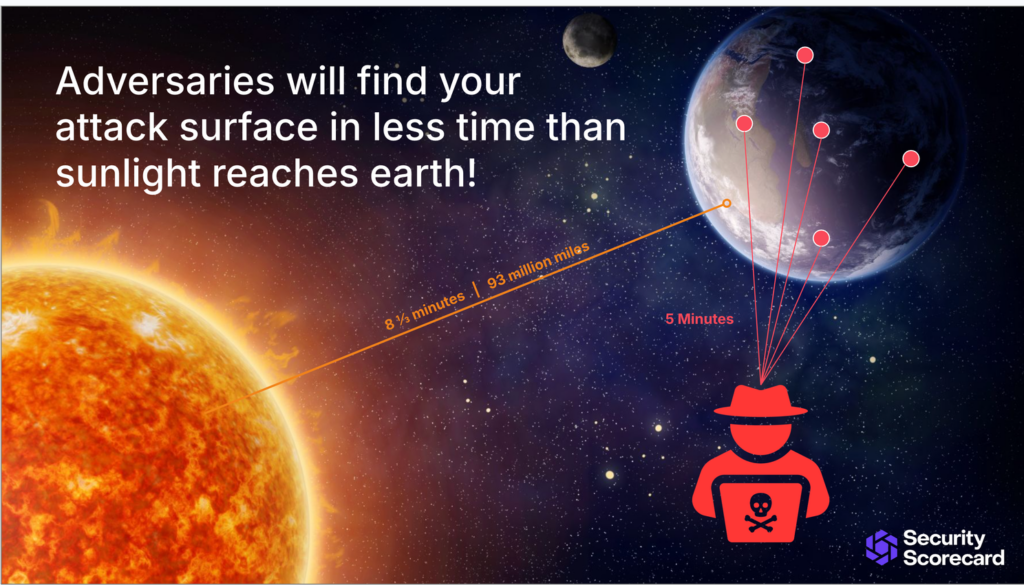
3. AI-powered attackers are getting dramatically faster.
On November 13, the FBI issued an alert about ARTEX, an AI-powered pentesting framework reportedly being weaponized by malicious actors.
The FBI described some intrusions progressing from initial targeting to privileged access in under three hours!
Think about that. We’re defending systems with manual processes against increasingly automated adversaries.
Federal officials, however, have said there is no evidence ARTEX caused these recent outages.
4. Decades of technical debt are finally catching up with us.
A former hacker I spoke with described the situation as years of underinvestment in infrastructure finally coming home to roost.
Legacy operating systems. Unpatched dependencies. Fragile configurations. Applications nobody wants to touch because nobody knows what will break.
Now add AI automation and increasingly rushed upgrades.
You don’t need a sophisticated hacker to take down critical infrastructure. Sometimes a bad software update is enough.
5. Could this be nation-states flexing their muscles?
A former government official I spoke with raised another provocative theory.
With today’s geopolitical tensions, what if some disruptions are deliberate demonstrations of cyber capabilities as part of a negotiating strategy?
Not necessarily to steal data or destroy infrastructure. Just to send a message:
“Look what we can do.”
Cyber capabilities can be used as geopolitical leverage. Of course, this is speculation. There is no verified evidence connecting these recent incidents to a coordinated nation-state operation.
But it’s an interesting hypothesis worth considering.
The Bigger Problem: Concentrated Risk
At SecurityScorecard, we’ve spent years studying the global attack surface. Some of our research findings are pretty eye-opening:
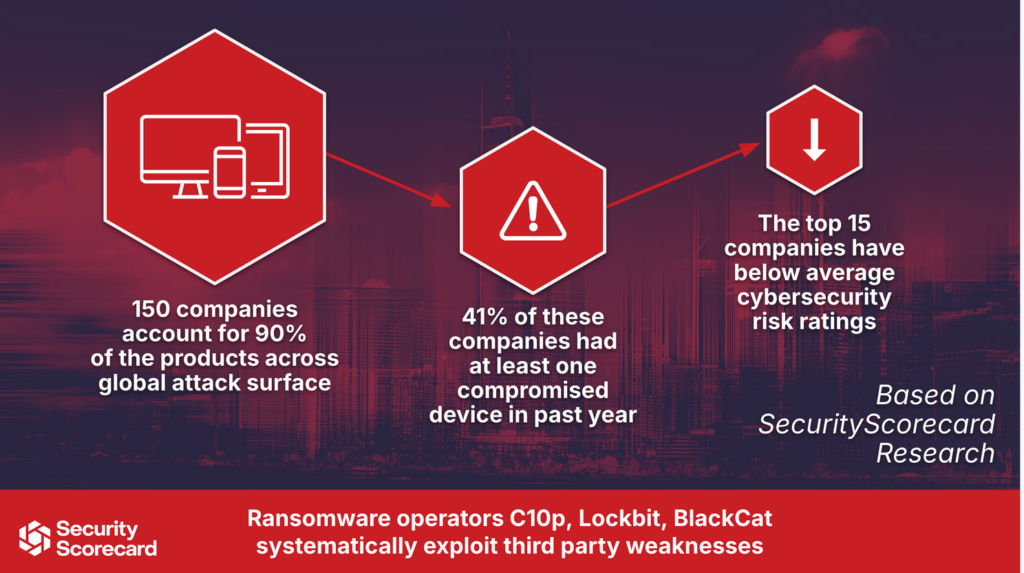
- Just 150 companies accounted for 90% of products observed across the global attack surface in our study.
- 41% of those companies had at least one compromised device in the preceding year.
- The top 15 companies had below-average cybersecurity risk ratings.
Think about that.
The global digital economy looks decentralized. But underneath it, we’re remarkably dependent on a small number of technology providers.
One compromised software package, failed router, or bad configuration can cascade across thousands of organizations.
The global economy looks decentralized. Its technology dependencies are anything but.
So What Should Companies Do? Three Things.
1. AUTOMATE. AUTOMATE. AUTOMATE.
We cannot fight machine-speed attacks with human-speed defenses.
Remember the Code Red and Code Blue worms from the early 2000s? Code Red exploited vulnerable servers, while Code Blue attempted to spread and repair vulnerabilities. It was uncontrolled and dangerous, but the idea of automated discovery and remediation was interesting.
Now imagine swarms of authorized AI agents continuously hacking, testing, patching, and hardening your own infrastructure.
Years ago, Ukrainian officials told me how they mobilized private-sector hackers and security professionals to proactively test their own critical infrastructure in anticipation of Russian attacks.
Their philosophy was simple: Hack yourself before the enemy does.
With AI, we can take that concept to a completely new level, with appropriate safeguards of course.
And let’s invest in patching agility. The best security investment might be making the next emergency patch a non-event.
2. ZERO TRUST. ASSUME THE ADVERSARY IS ALREADY INSIDE.
Stop assuming we can keep everyone out.
Credentials get stolen. Vulnerabilities get exploited. Systems get compromised.
Build infrastructure around least privilege, microsegmentation, continuous verification, and automated recovery.
Don’t just build systems that are hard to penetrate. Build systems that remain operational AFTER penetration.
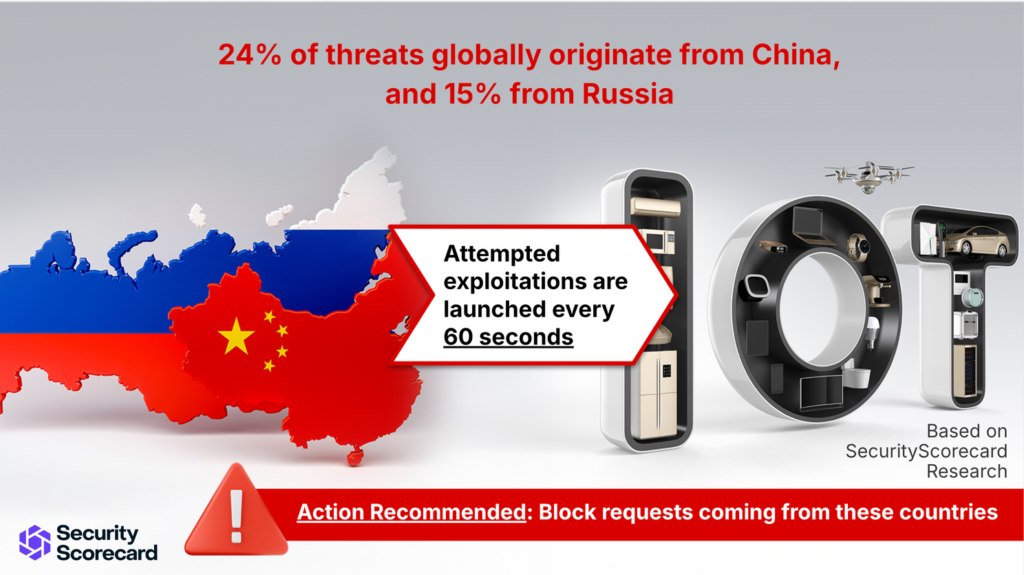
3. SECURE YOUR ENTIRE ECOSYSTEM. NOT JUST YOUR COMPANY.
Your cybersecurity is no longer just about your cybersecurity.
It’s about your entire digital supply chain.
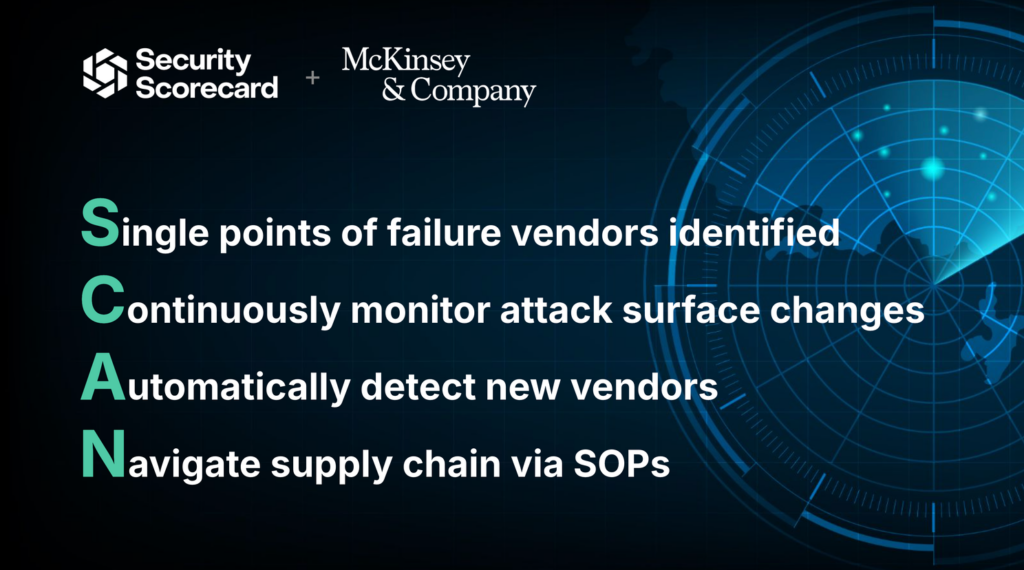
Continuously monitor third- and fourth-party dependencies. Identify single points of failure. Understand how disruptions can cascade across your ecosystem.
The next outage that takes down your business may originate at a company you’ve never even heard of.
My Prediction: The Cybersecurity J-Curve
I think things may actually get worse over the next few years before they get substantially better.
AI is accelerating attacks, patching, software development, and infrastructure changes. Meanwhile, decades of technical debt aren’t going away overnight.
We’ll likely see more outages, emergency patches, supply-chain compromises, and unexpected failures.
But eventually, the same AI technology accelerating these problems should help us solve them through autonomous security testing, automated remediation, secure-by-design software, and self-healing infrastructure.
My prediction is a J-curve: more disruption in the near term, followed by a significant improvement in resilience as organizations adapt.
The winners won’t necessarily be the companies with the biggest cybersecurity budgets.
They’ll be the ones that can find, fix, contain, and recover from problems at machine speed, without stopping the business.
Automate relentlessly. Assume compromise. Secure your entire ecosystem.