Aviation
Secure the Global Supply Chain Behind Every Flight
Unmonitored Risk in Aviation

Hidden Fourth-Party Risk
Ground-handling, catering, MRO, and IT vendors bring their own subcontractors into your operation, exposing you to fourth-party risk that direct vendor oversight alone can’t see.


Helping Aviation Eliminate Blind Spots
Catch threats as they emerge across your entire aviation supply chain, not at your next review cycle. SecurityScorecard uses AI-accelerated intelligence and continuous discovery to transform TPRM from a reactive compliance hurdle into a predictive defense.
What 3,000 Security Teams Already Know:
- 10x supplier coverage, same team. Automate assessment and remediation work that consumes 95% of your analysts’ time across tens of thousands of vendors.
- Know the vendors behind your next disruption. Threat telemetry correlates risk signals across ground ops, MRO, and IT suppliers to catch threats before they spread.
- Audit-ready compliance reporting. Produce automated, defensible evidence for TSA and FAA oversight without pulling your team off priority work.

92%
reduction in manual assessment effort for TITAN AI customers

One Platform for Aviation’s Entire Vendor Network
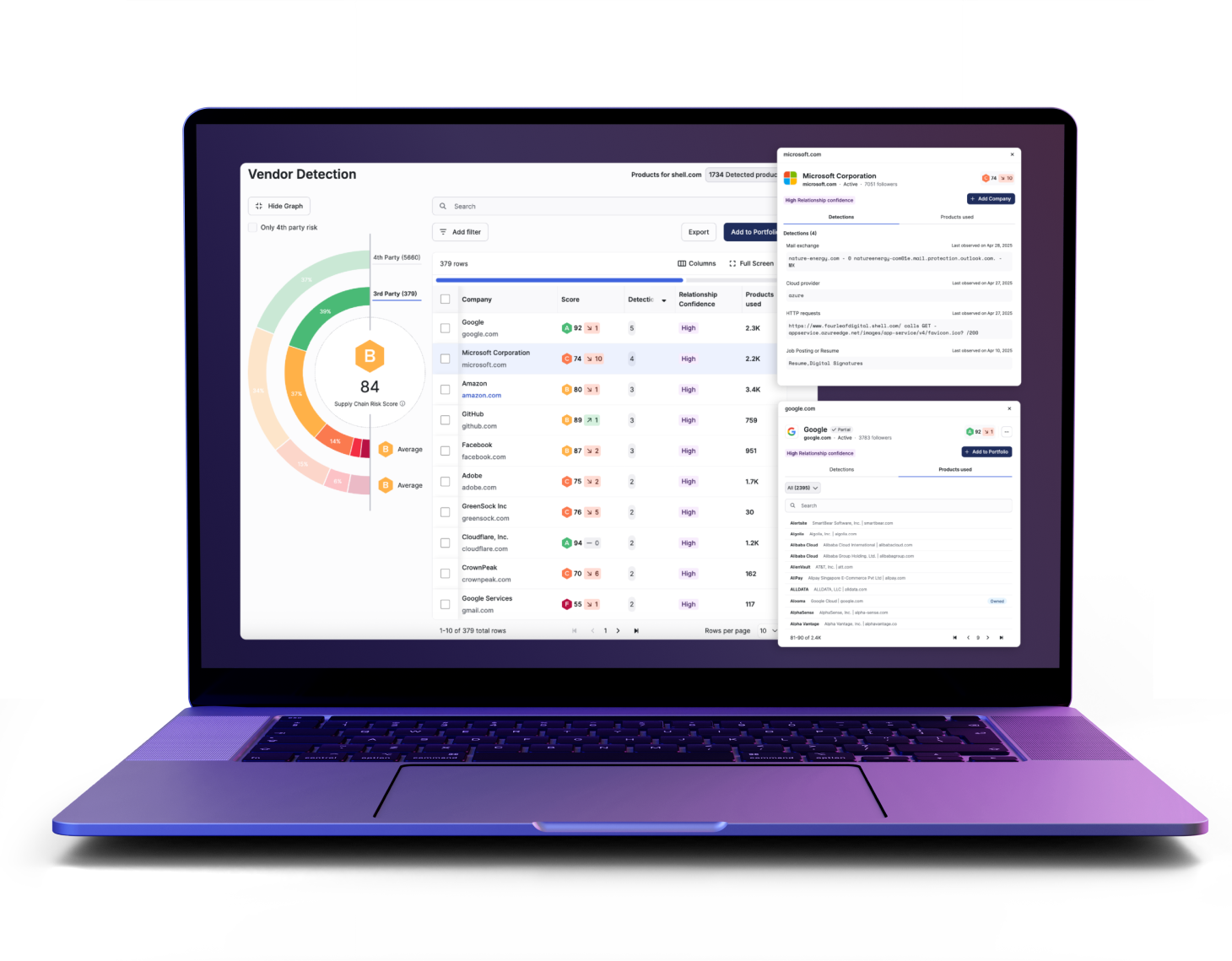
TITAN AI connects to your existing tools, maps every third-party relationship, and runs continuous discovery with coordinated multi-vendor response.
- TITAN Watch
- TITAN Assess
- TITAN Secure
- MAX Services
- Threat Intel
Continuous Visibility into Your Entire Aviation Supply Chain
- Track critical risk factors across ground-handling, catering, MRO, and IT/OT vendors to identify technical gaps before attackers do
- Surface unreported vendors and fourth-party subcontractor links across your supply chain, closing the gaps self-attestation misses
- Benchmark vendor security scores against aviation industry averages to focus your team on the segments with highest exposure
Automate the Scored Intake Workflow Your TPRM Program Needs
- Use AI-accelerated workflows to parse incoming vendor documentation and independently verify claims instead of relying on self-attestation
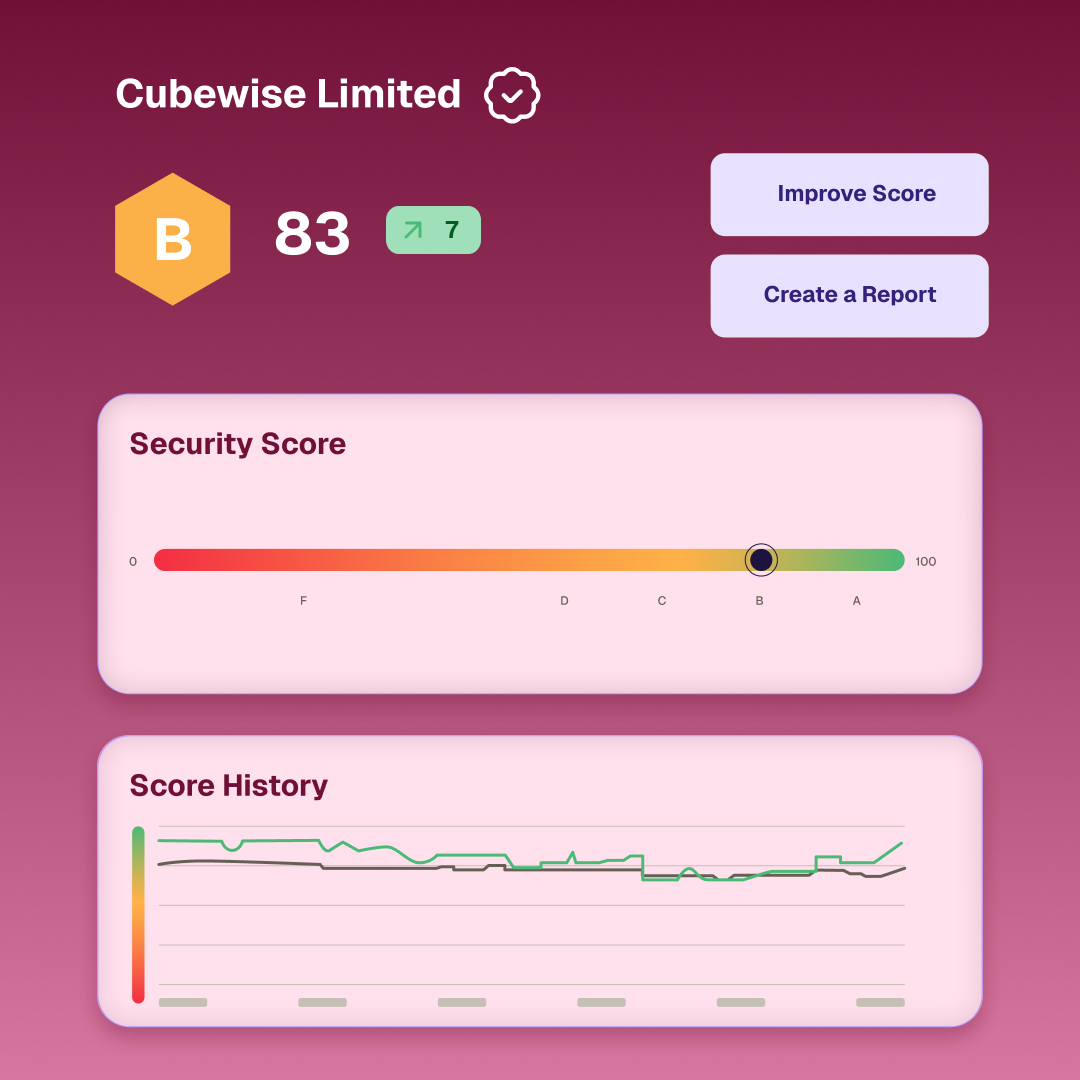
- Review pre-scored assessments flagged for security exceptions, giving your analysts finished, auditable reports they can act on immediately
- Deploy automated workflows to track vendor remediation progress across thousands of suppliers without requiring additional headcount
Operationalize Proactive Defense and Multi-Vendor Incident Response
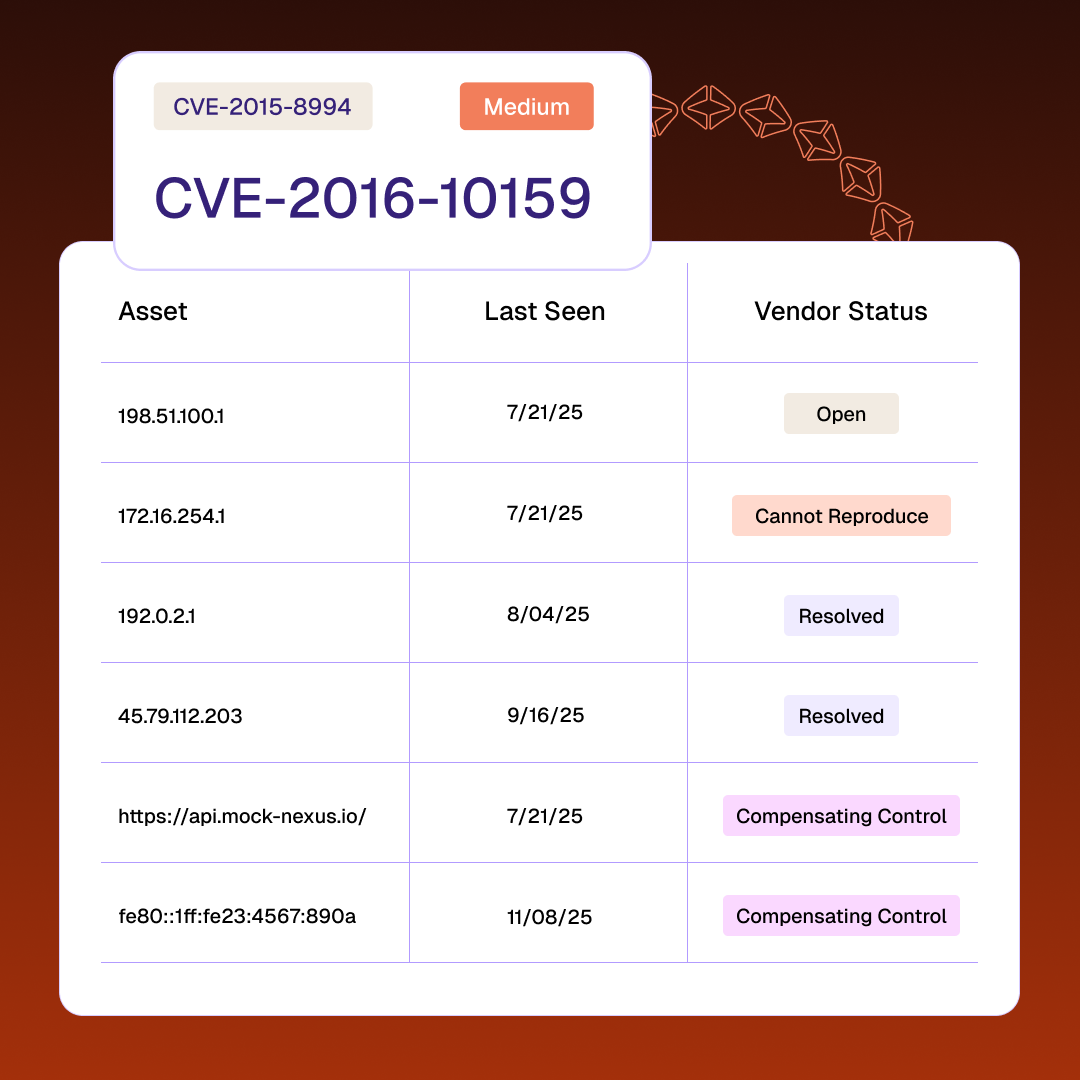
- Detect active threats across third- and fourth-party environments in real time to contain risks before they impact flight operations
- Execute automated outreach and response-tracking workflows across 100+ impacted suppliers at once, with no manual email chains
- Perform rapid breach triage with a business impact analysis contextualized to how each vendor is actually used at your airline
Scale Your Third-Party Program with Expert Support
- Advance program maturity using expert-led services without building a dedicated in-house team for complex vendor management
- Modernize the assessment lifecycle with AI-augmented questionnaire validation and automated risk tiering to reduce manual burden
- Utilize a Vendor Risk Operations Center to continuously monitor risk and coordinate supplier responses during critical incidents

See Threats Early with Superior Global Intelligence
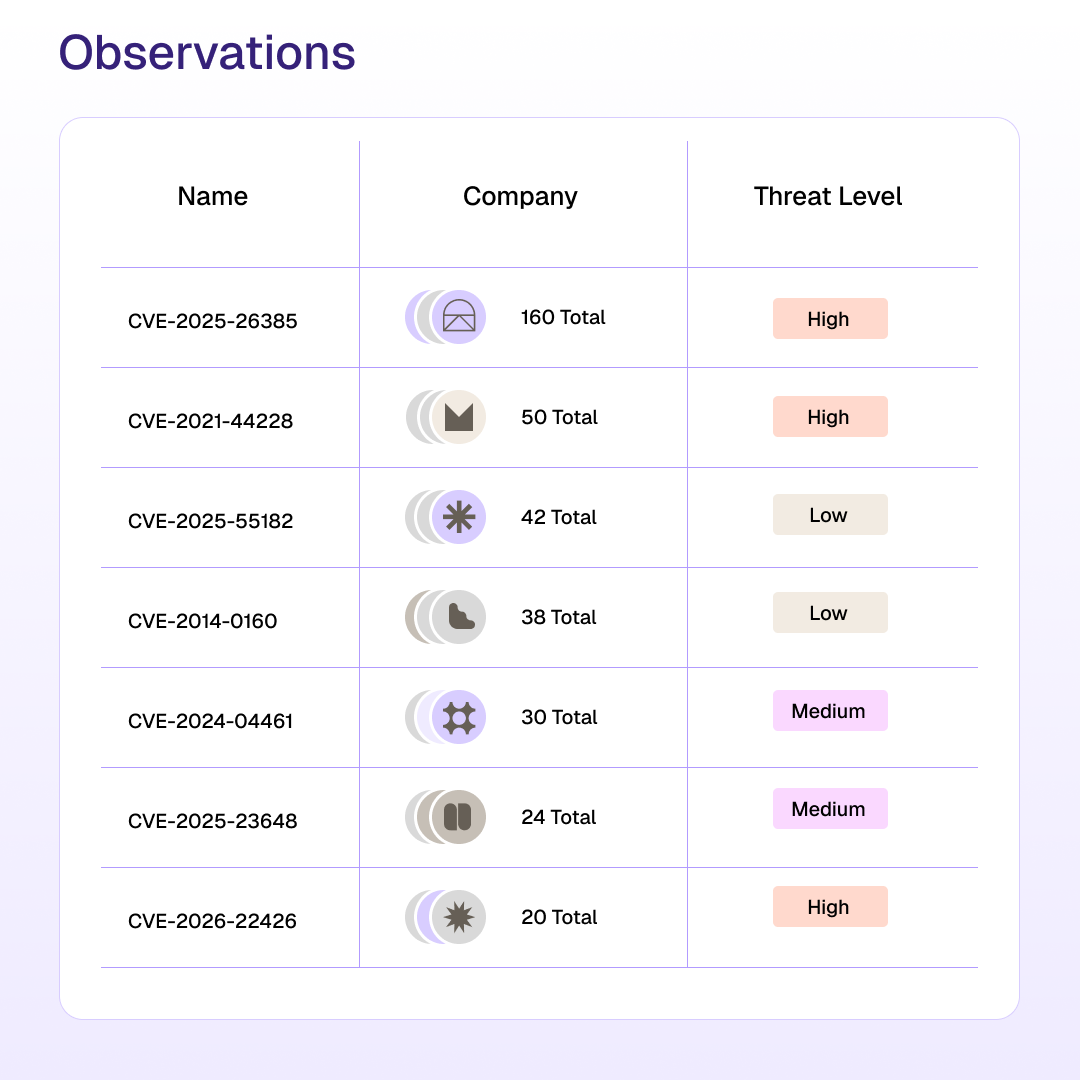
- Process billions of weekly events to identify zero-day vulnerabilities in your supply chain within 48 hours of discovery
- Monitor the dark web for leaked credentials and botnet traffic to flag compromised vendor accounts before fraud occurs
- Identify non-standard ports and services often missed by legacy scanners to eliminate visibility blind spots across your ecosystem
Outcomes for Aviation
48 Hour Zero-Day Response
90% Faster Resolution
95% Less Manual Work
Defensible Board Reporting
Critical Capabilities for Aviation
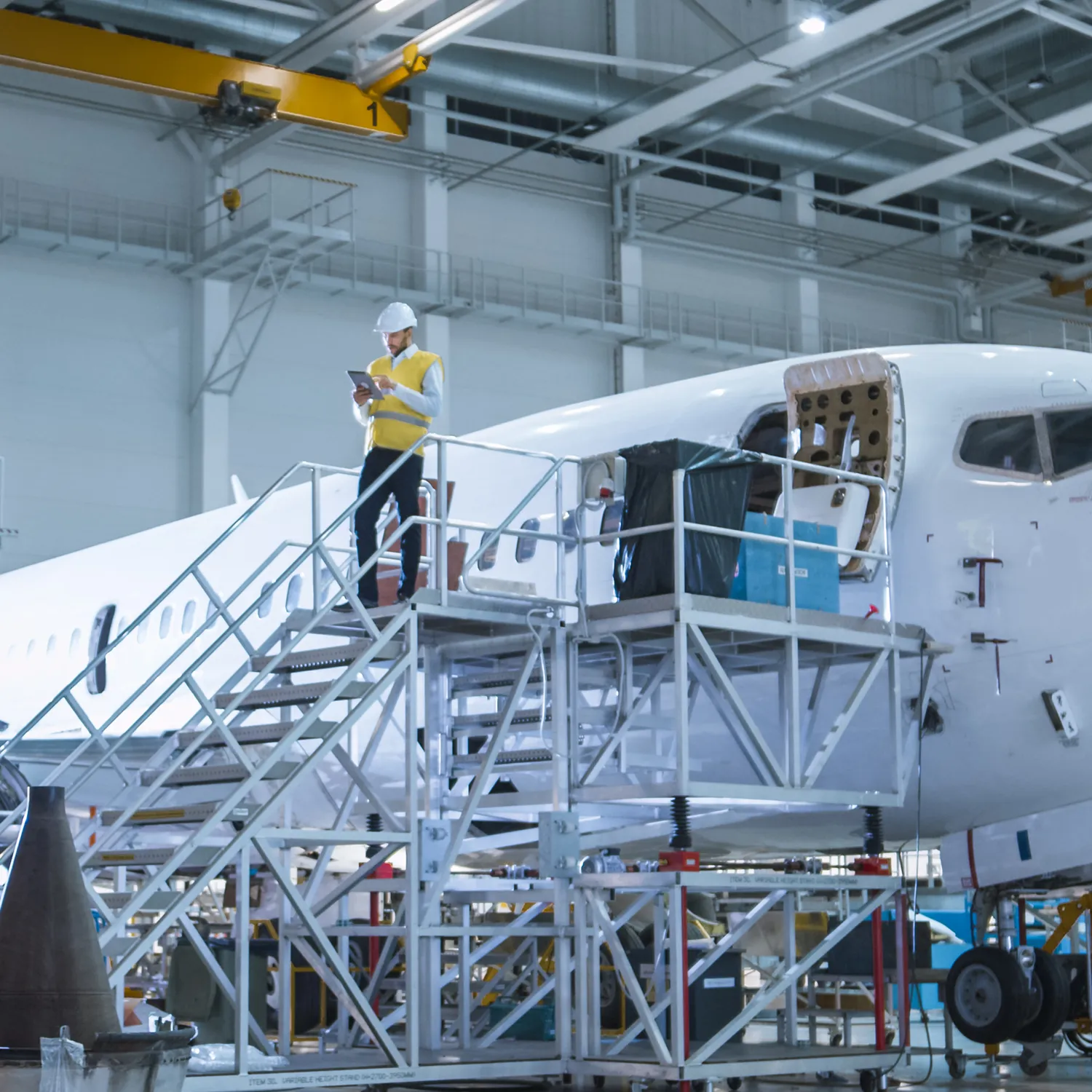
TITAN AI turns outside-in telemetry into prioritized actions that safeguard flight operations and business continuity.

Always-on monitoring eliminates the invisibility of point-in-time reviews, using automatic discovery to reveal hidden ground-handling, MRO, and fourth-party dependencies.

Automate manual assessment tasks through questionnaire validation and risk tiering, replacing self-attested NIST 800-53 reviews with independently verified evidence.

Operationalize proactive defense by detecting threats in real time and utilizing rapid triage to determine incident impact across vendors.

Translate technical findings into quantified operational impact metrics and expected disruption to provide clear narratives for board-level reporting.

Apply business context like flight-critical systems and service criticality to technical signals to prioritize the vendors introducing meaningful risk.

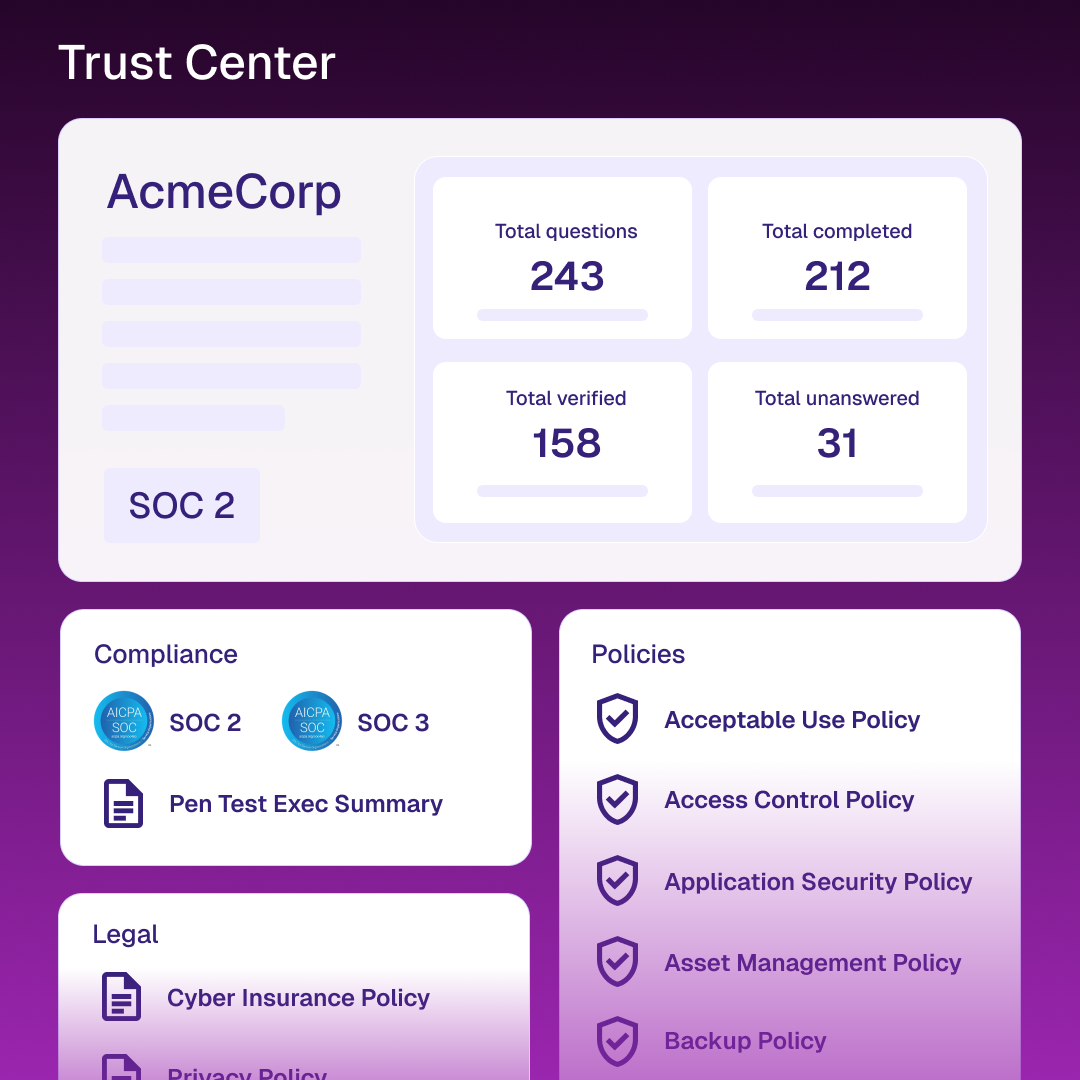
Securely share a dynamic, living source of truth regarding your security controls with regulators and internal stakeholders to reduce friction from ad hoc requests.

Frequently Asked Questions (FAQs)
Frequently asked questions across Aviation
Find answers in our help centerHow does TITAN AI fit into our existing GRC workflow?
TITAN AI uses an API-first approach to push high-fidelity threat context directly into SIEM and ticketing tools.
Does this replace our annual vendor questionnaires?
It modernizes them by replacing periodic, static reviews with continuous intelligence, eliminating the 364 days of invisibility.
What is the Trust Center and how do our vendors use it?
It is a living source of truth where teams gain real-time visibility and confidence across every relationship.
How does the system identify vendors we haven’t officially onboarded?
AI-driven vendor discovery identifies shadow IT and unreported entities procured without the security team’s awareness.
What makes your threat intelligence different from a standard scanner?
We use organically collected intelligence to autonomously connect threat data with third-party findings for predictive risk identification.
Can TITAN AI help us meet TSA Security Directive requirements?
Yes, it achieves demonstrable supplier assurance through continuous monitoring and measurable risk reduction metrics aligned to TSA Security Directive and FAA oversight expectations