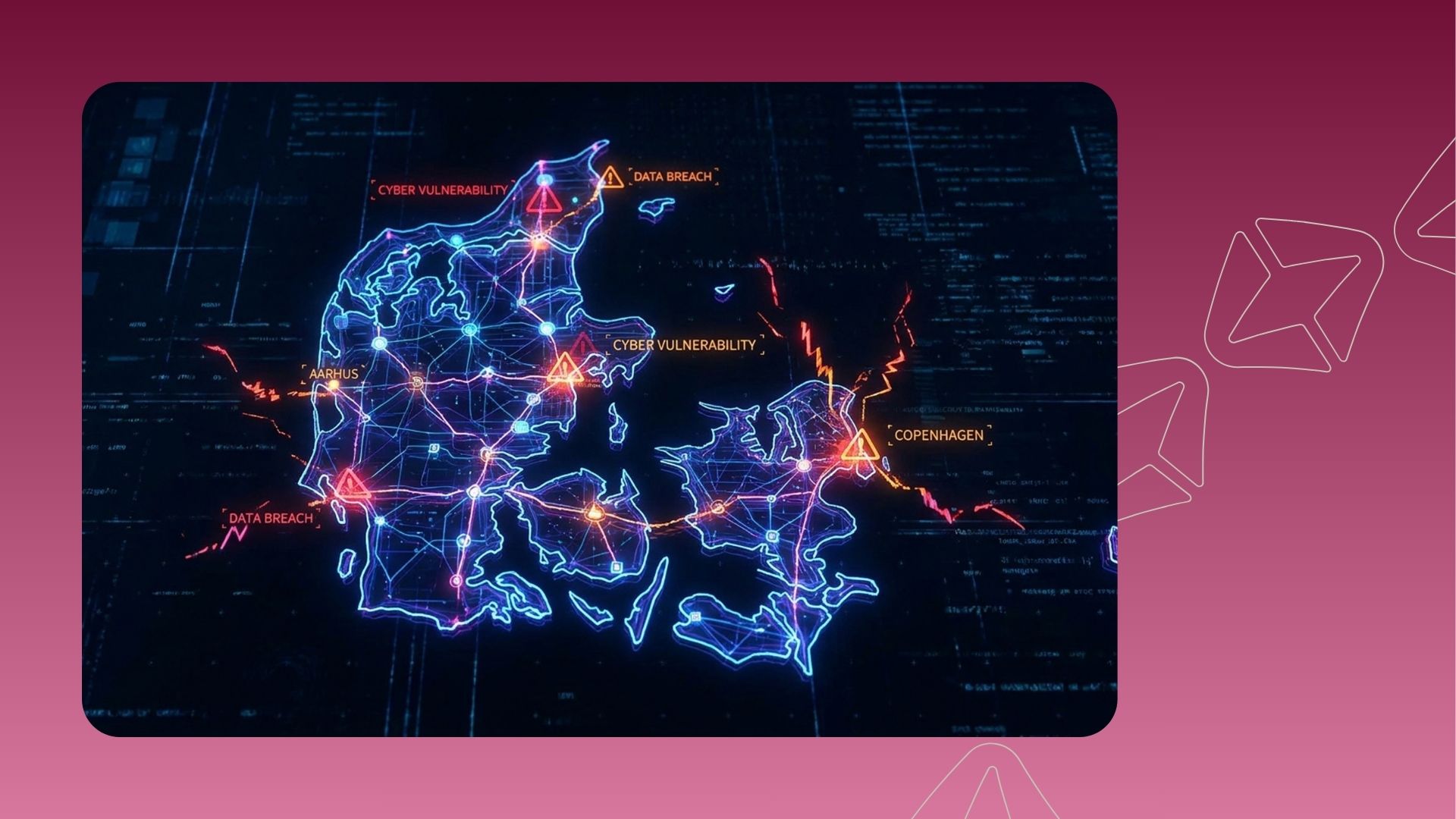
The World Economic Forum’s Global Cybersecurity Outlook 2026 delivers a clear message for leaders across government and industry: cyber risk no longer lives inside the firewall.
For the public sector, this reality is especially stark. Government missions increasingly depend on vendors, managed service providers, cloud platforms, software suppliers, and shared services that sit outside direct agency control. As a result, cyber resilience has become an ecosystem challenge, not an agency-by-agency IT issue.
Supply Chain Risk Is Now a Public-Sector Resilience Imperative
The report highlights that highly resilient organizations overwhelmingly cite supply-chain and third-party risk as their primary cybersecurity concern. In government, this risk shows up in very real ways:
- A state benefits system disrupted by a third-party technology provider
- A local government taken offline because a shared services vendor is compromised
- A transportation or utilities operator impacted by vulnerabilities in contractor-managed systems
- A cloud or SaaS provider outage cascading across multiple agencies simultaneously
In each case, the incident does not originate inside the agency network, it originates with a trusted external partner. Yet the operational, financial, and reputational consequences fall squarely on the government.
Visibility Gaps Undermine Service Delivery
One of the defining characteristics of less resilient organizations, according to the report, is lack of visibility. This challenge is amplified in the public sector, where agencies vary widely in cyber maturity and where centralized visibility is often limited.
Many governments still rely on:
- Point-in-time vendor assessments
- Annual compliance reviews
- Static authorization processes
While necessary, these approaches struggle to keep pace with vendor churn, cloud migration, and rapidly changing threat conditions. For example, a vendor approved last year may experience new vulnerabilities, exposed credentials, or geopolitical risk today — long before the next review cycle.
Resilient governments are shifting toward continuous awareness of external exposure, allowing leadership to understand risk trends across agencies and vendors in near real time.
Cyber Resilience Is About Continuity of Public Services
The WEF report reframes cyber resilience as a matter of economic stability and operational continuity, not just cybersecurity compliance. For governments, this means protecting the systems that deliver essential services:
- Payments and benefits
- Education platforms
- Transportation and traffic systems
- Public safety and emergency response
- Healthcare and social services
Recent incidents show that when a vendor fails, services fail, sometimes statewide. Even brief disruptions can erode public trust and trigger legislative, regulatory, and media scrutiny. As the report notes, only a small percentage of organizations believe they exceed their resilience requirements, despite growing confidence.
Geopolitics and Procurement Are Now Cyber Issues
Another key finding in the report is that geopolitics is forcing organizations to rapidly reassess suppliers and partners. Governments feel this pressure acutely as they:
- Reshore or diversify suppliers
- Replace foreign-owned vendors
- Accelerate procurement to meet urgent needs
These shifts often occur faster than traditional cyber due diligence can adapt. Without continuous visibility into supplier risk, governments may unknowingly introduce new vulnerabilities while trying to reduce strategic exposure.
From Insight to Action
The takeaway for public-sector leaders is clear: cyber resilience depends on understanding external risk before it becomes an incident. Governments that can see supply-chain exposure early are better positioned to:
- Prevent service disruptions
- Prioritize remediation efforts
- Brief legislators and executives with confidence
- Protect public trust
The World Economic Forum has framed the challenge. The next step for governments is operationalizing that insight, moving from static compliance toward continuous, ecosystem-wide visibility.
In 2026 and beyond, cyber resilience for the public sector will be defined not by how well agencies secure their own networks, but by how effectively governments understand and manage the risk introduced by the partners they rely on every day.