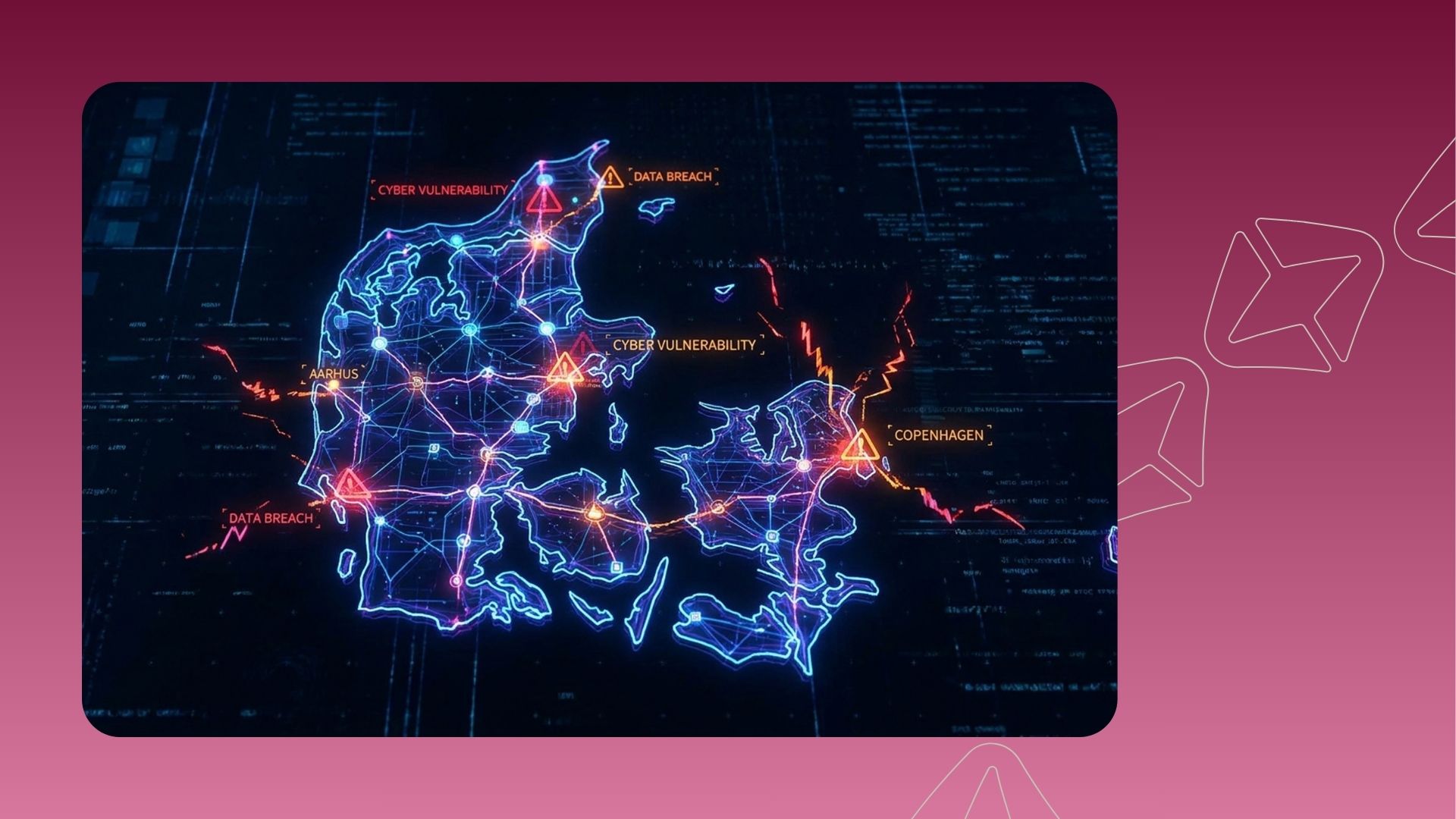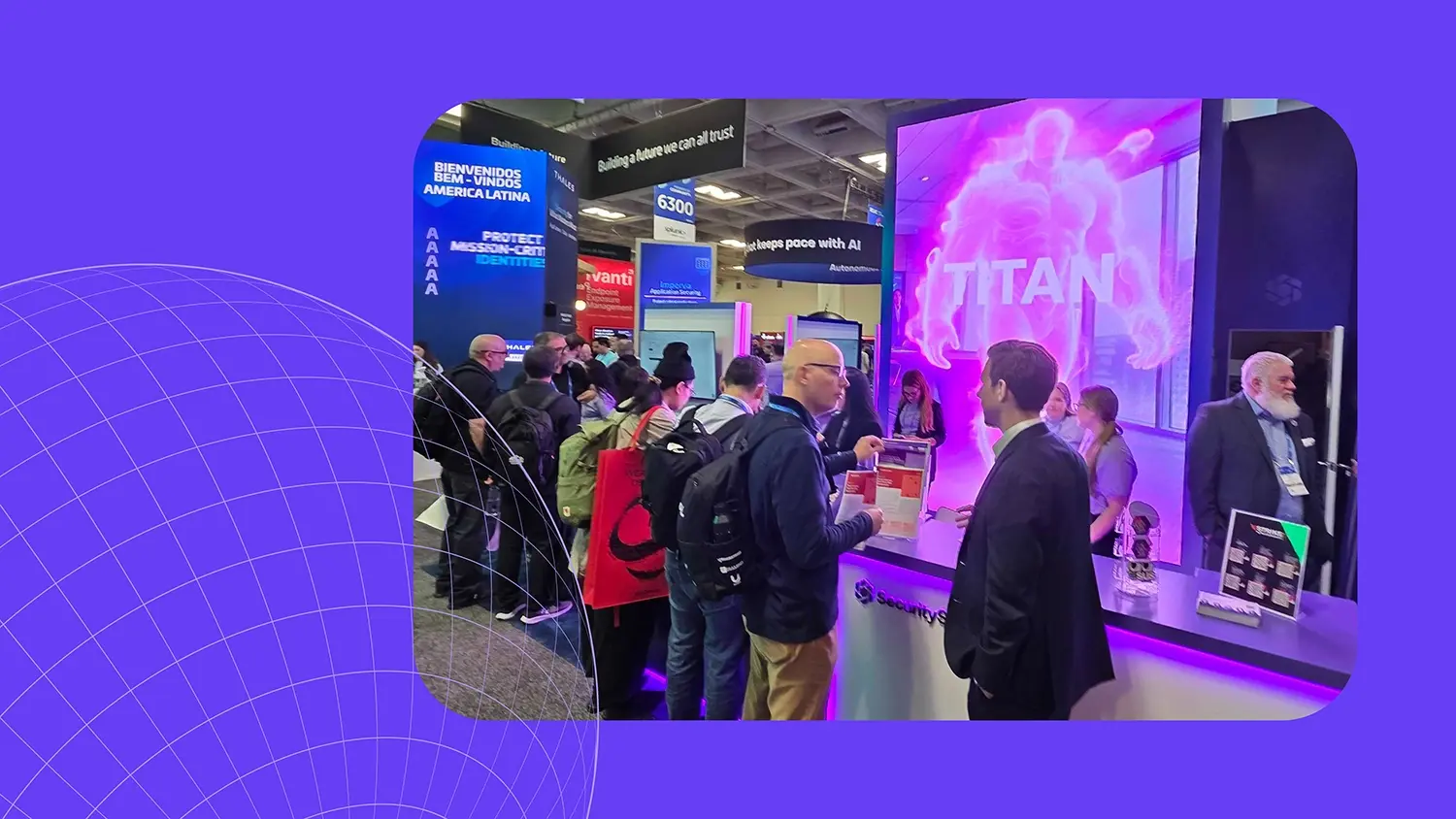
CEO and Co-Founder Dr. Aleksandr Yampolskiy, CISO Steve Cobb, and SecurityScorecard leaders joined chief information security officers (CISOs), partners, and industry experts at RSAC 2026 to discuss how AI, threat intelligence, and continuous monitoring are reshaping third-party risk management (TPRM).
RSAC 2026 reinforced a growing gap between how organizations manage third-party risk and how that risk actually materializes. Security teams remain burdened by manual workflows, disconnected data, and compliance-driven processes that do not translate into faster detection or remediation. At the same time, boards and regulators expect clear evidence of risk reduction, while AI-enabled threat actors continue to exploit supply chain exposure with increasing speed and precision.
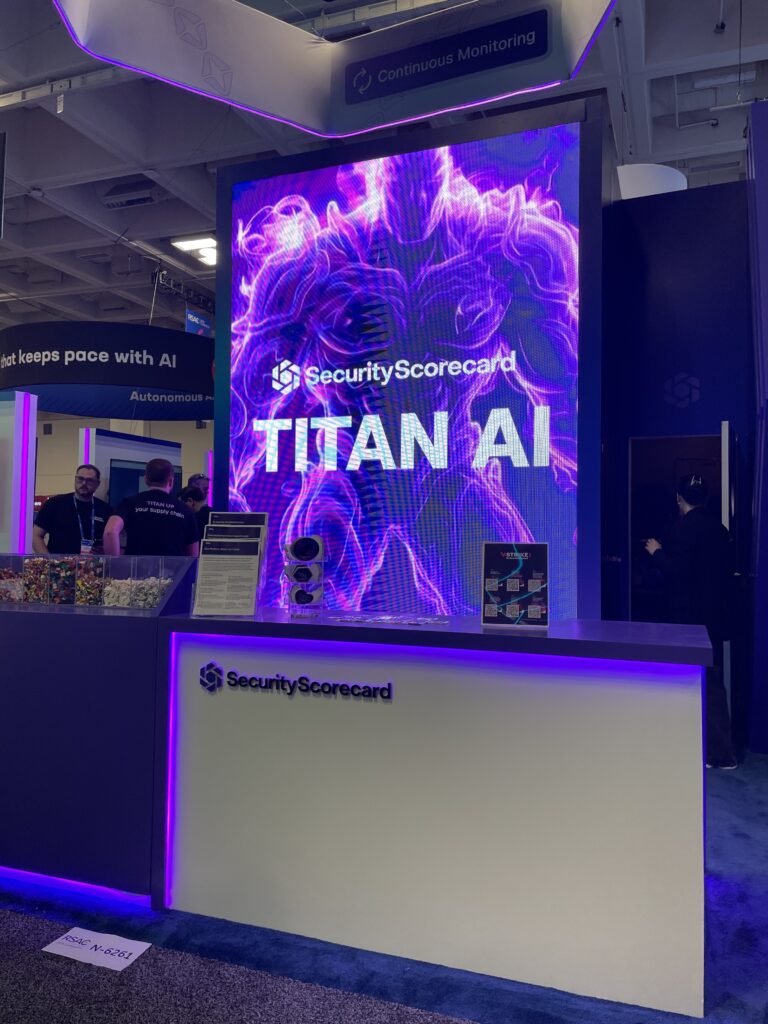
Against that backdrop, SecurityScorecard arrived in San Francisco with a clear point of view and a major announcement. On March 23, the company unveiled TITAN AI, a platform designed to replace manual, compliance-heavy TPRM workflows with AI acceleration, enhanced threat intelligence, and continuous monitoring.
The launch set the tone for the week. What followed across conversations, dinners, talk tracks, and partnerships reinforced a consistent theme. Security leaders kept returning to one question: how to turn risk visibility into action.
From Booth Conversations to Real-World Challenges
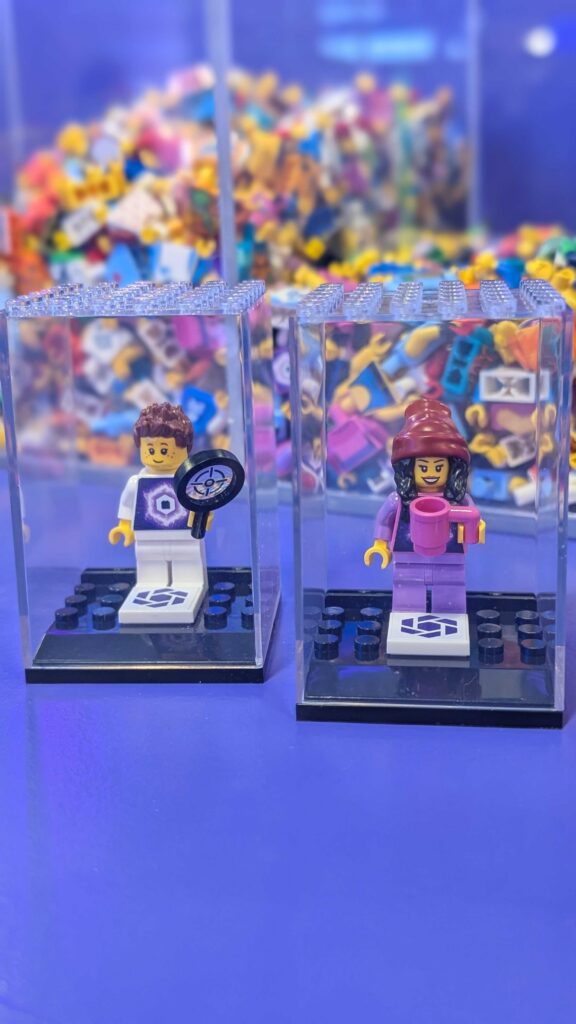
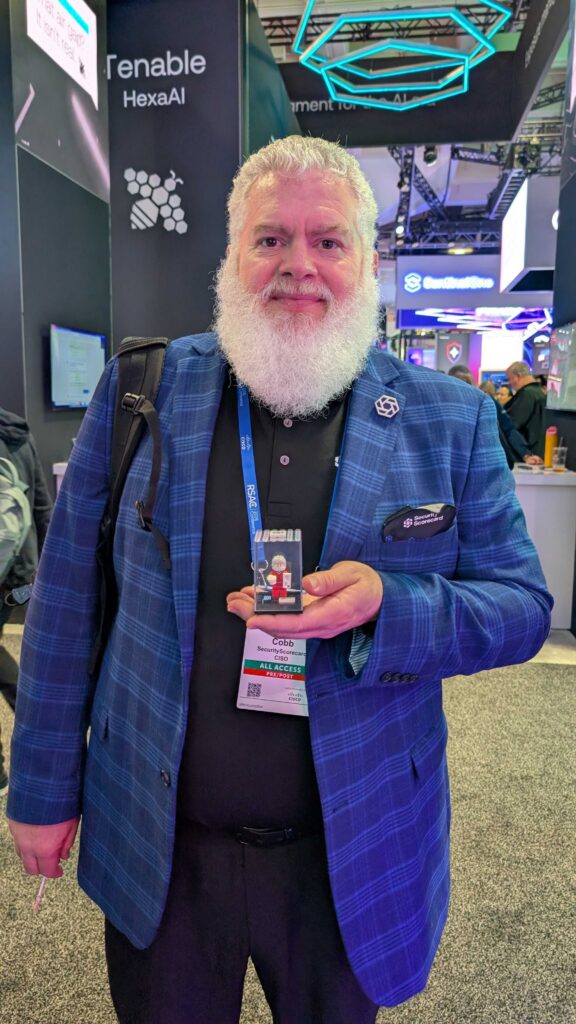
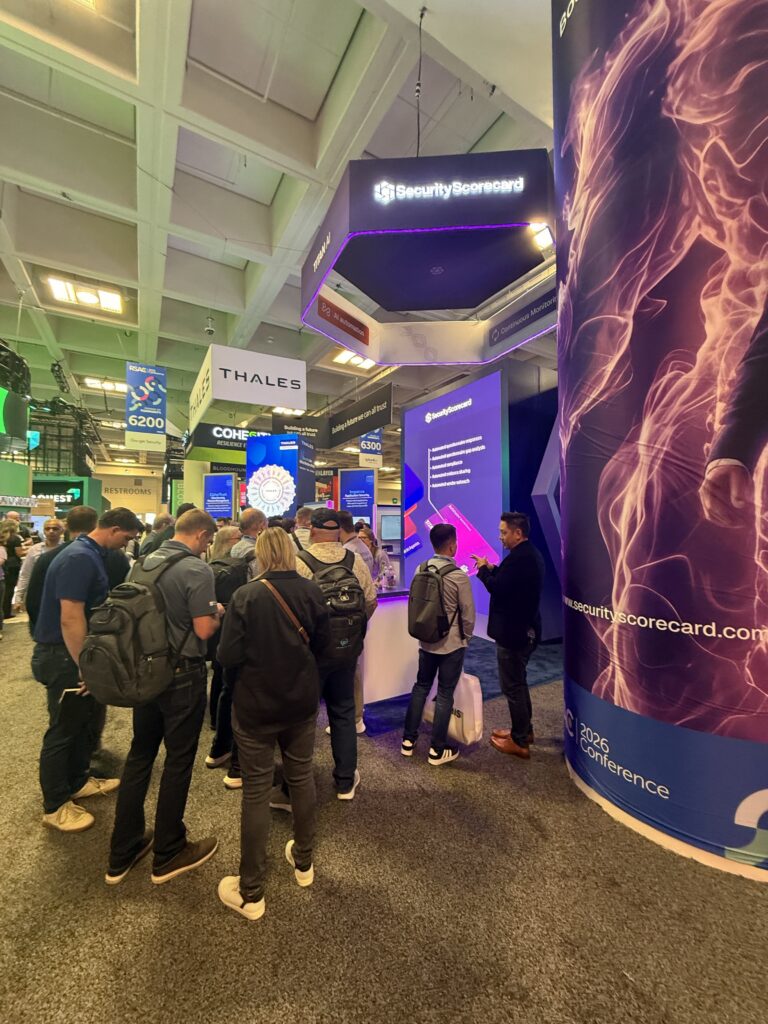
SecurityScorecard’s presence at Booth North-6261 quickly became a focal point for that discussion. Cyber practitioners from around the globe gathered at the TITAN AI Lego building station, creating space for deeper conversations with buyers, colleagues, and peers.
Those conversations reflected a consistent challenge. Security teams are often still managing third-party risk through manual processes, fragmented data, and workflows that slow response when it matters most.
Security leaders were not asking about dashboards. They were asking how to move from static tracking to real-time, threat-informed risk reduction.
That question aligned directly with TITAN AI’s purpose. The platform will reduce manual effort by up to 95% while helping organizations achieve up to 75% fewer supply chain breaches. It also drives stronger vendor engagement and delivers highly accurate risk attribution.
At its core, TITAN AI introduces a shared operational layer for third-party risk management, connecting enterprises and vendors in real time to detect, assess, and remediate risk together.
The booth validated the shift that is already underway for SecurityScorecard’s forward-leaning customers. Security teams are moving away from passive monitoring toward continuous, threat-informed operations that drive measurable risk reduction. Organizations want outcomes, not more inputs.
To explore the full announcement and platform capabilities, read the TITAN AI press release.
Starting the Week with Public Sector Priorities
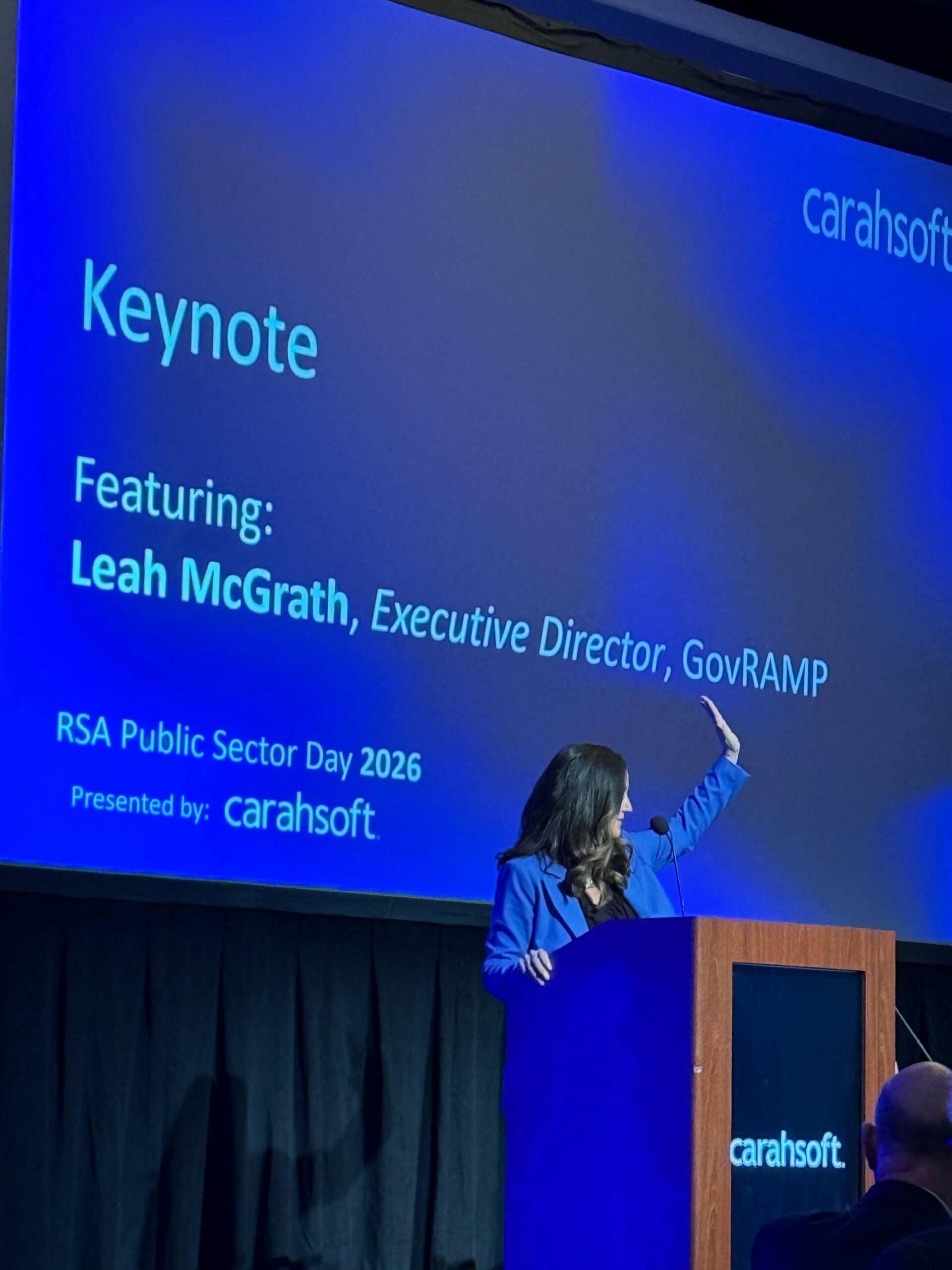
The week began with Public Sector Day, hosted by Carahsoft. SecurityScorecard joined government and industry leaders to discuss shared challenges in cyber resilience.
The day opened with a keynote from Leah McGrath, Executive Director at GovRAMP. Her address focused on the evolution of cloud security authorization for state and local governments, emphasizing how standardized security frameworks are becoming essential as agencies move away from legacy infrastructure toward scalable cloud and AI-driven models.
Where Relationships Turn Into Strategy
While our teammates and partners attended several formal sessions on-site, the most candid conversations often happen in smaller settings. RSAC 2026 delivered plenty of those moments.
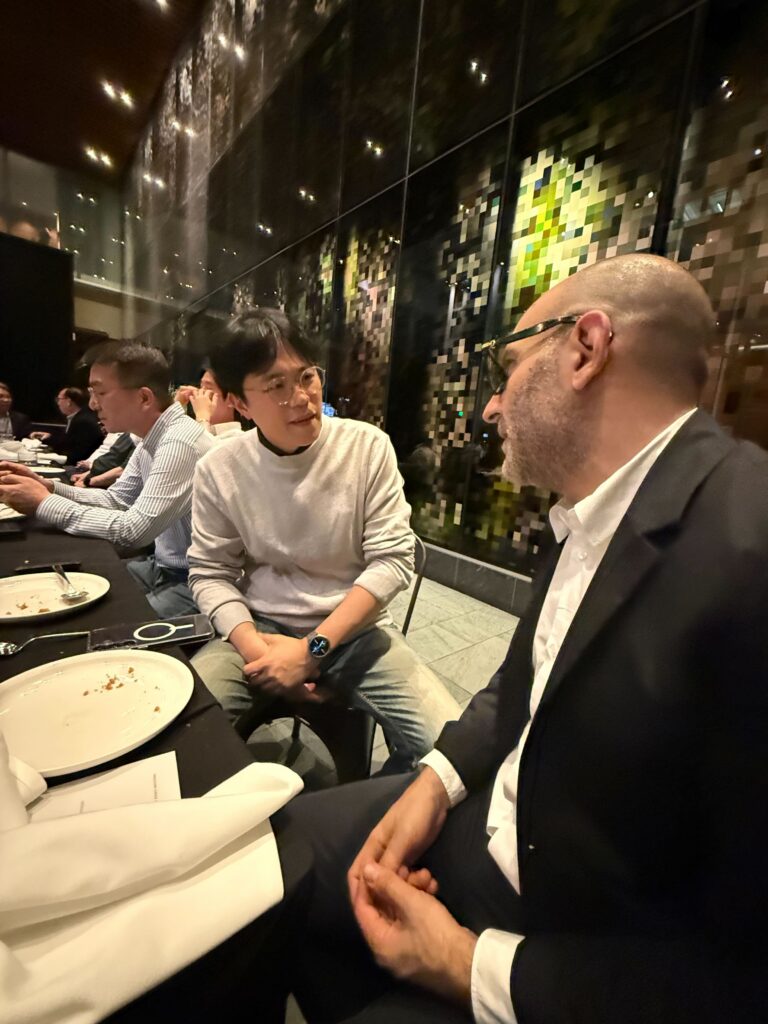
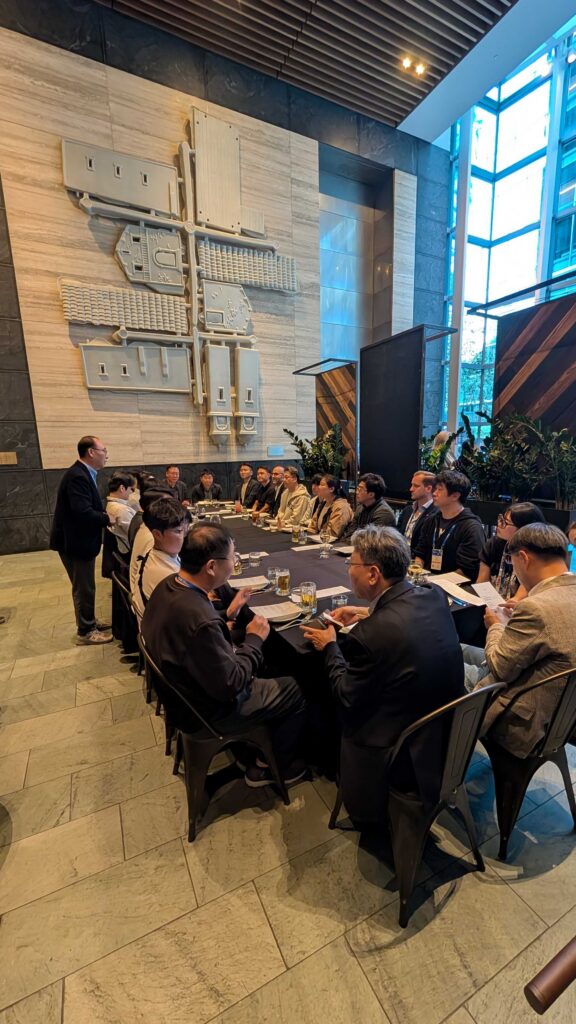
SecurityScorecard hosted CISOs from South Korea for a private dinner in San Francisco, for instance. The discussion focused on shared challenges in managing global vendor ecosystems and evolving threat exposure.
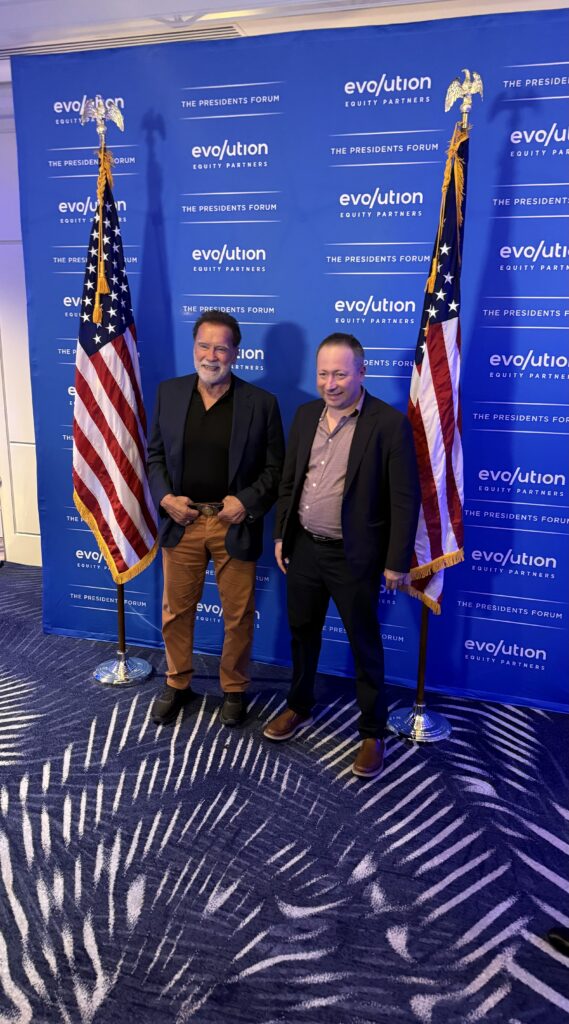
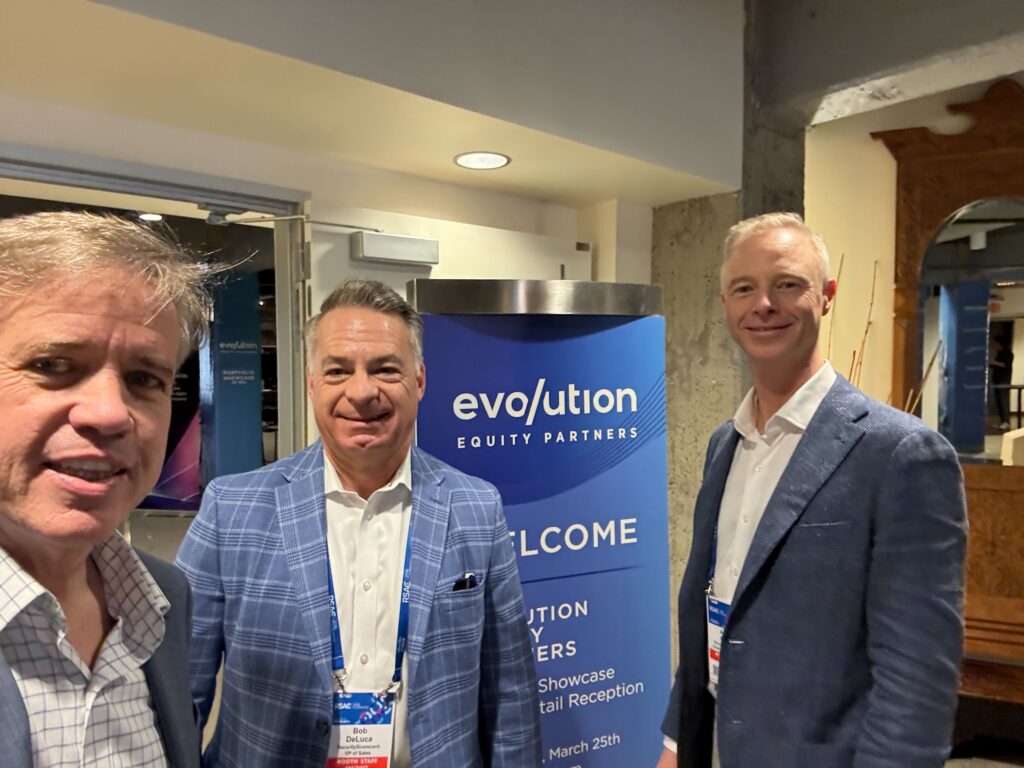
The company also participated in the Evolution Equity VIP Cocktail Reception and the President’s Forum. These events brought together CISOs, investors, and practitioners shaping the future of cybersecurity. At the President’s Forum, Arnold Schwarzenegger shared a perspective that resonated with many attendees: Don’t aim to be impressive. Aim to be useful.
That message remained consistent throughout the week for SecurityScorecard, our customers, and our partners. Security teams are prioritizing solutions that deliver practical value, not just more dashboards.

Why Traditional TPRM No Longer Holds Up
SecurityScorecard’s CISO Steve Cobb brought that point into sharp focus during his session, “The Outside-In Advantage: Modernizing TPRM with AI and Threat Intelligence.”
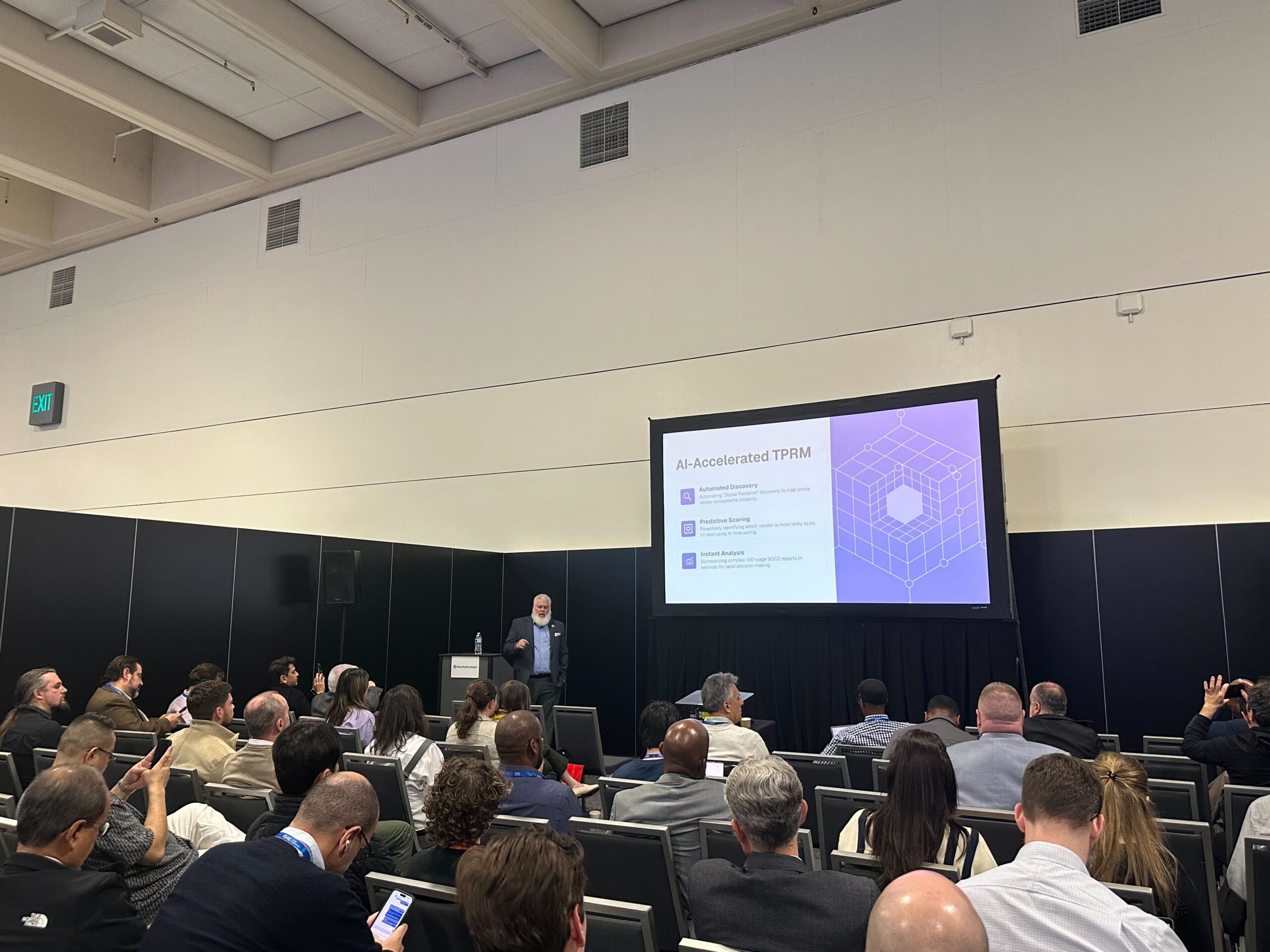
Many organizations still rely on annual assessments and static attestations. Meanwhile, threat actors target the weakest links across supply chains. But traditional approaches to third-party risk management no longer reflect how attacks happen, Cobb noted. Over one in three breaches stems from third parties, according to SecurityScorecard research.
“Filling out a questionnaire does not mean risk reduction. It does not mean effectiveness of your program.”
Cobb highlighted a critical gap: Security teams often underestimate their vendor footprint. What looks like hundreds of vendors can expand into thousands when shadow IT and fourth-party dependencies are included. He emphasized the need to connect external threat intelligence with internal vendor visibility.
“With our threat intelligence data, we can connect those dots for you, so you can see where the concentration risk lives and where you need to be better attuned to what that risk may mean to your organization.”
The goal is not just gaining more visibility. It is the ability to act when risk emerges.
To learn more about Steve Cobb’s talk, read our blog on the talk track here.
Expanding Preemptive Defense Through Partnership
SecurityScorecard reinforced that direction through its MOU announcement with Dataminr.
The collaboration combines SecurityScorecard’s industry-leading AI-accelerated Third-Party Cyber Risk Management (TPRM) solutions with Dataminr’s newly launched Client-Tailored Threat Intelligence (CTTI). Together, they provide a unified, real-time view of exposure and early signals of adversary activity.
By linking exposure directly to emerging threats, organizations can identify risk earlier and respond before incidents occur. This shift moves security teams from reactive workflows to preemptive defense.
To learn more about the MOU, read our blog here.
Boardrooms, AI, and the Future of Decision-Making
Several sessions during the week explored how cybersecurity decisions are evolving at the executive level.
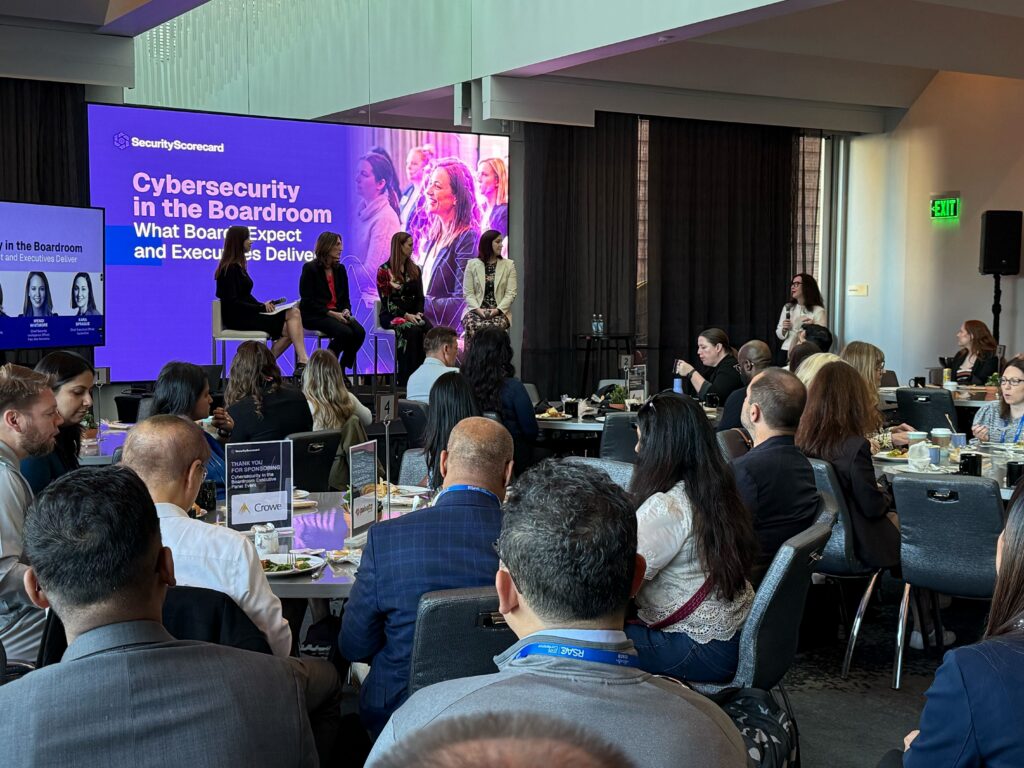
At the Executive Panel Breakfast, ‘Investing in Cybersecurity: What Boards Expect and Executives Deliver,’ hosted at the W Hotel in San Francisco, senior leaders examined how boards are evaluating cyber investments and governance expectations. The session was hosted by SecurityScorecard Chief Marketing Officer Claire Trimble, with support from Carahsoft, Palo Alto, Armis, ServiceNow, and LockThreat GRC.
Bloomberg Reporter Margi Murphy moderated the discussion, which featured:
- Suzanne Brown, Director of Board Services, New York Stock Exchange
- Wendi Whitmore, Chief Security Intelligence Officer, Palo Alto Networks
- Kara Sprague, CEO, HackerOne; Board Director, Trimble Inc.
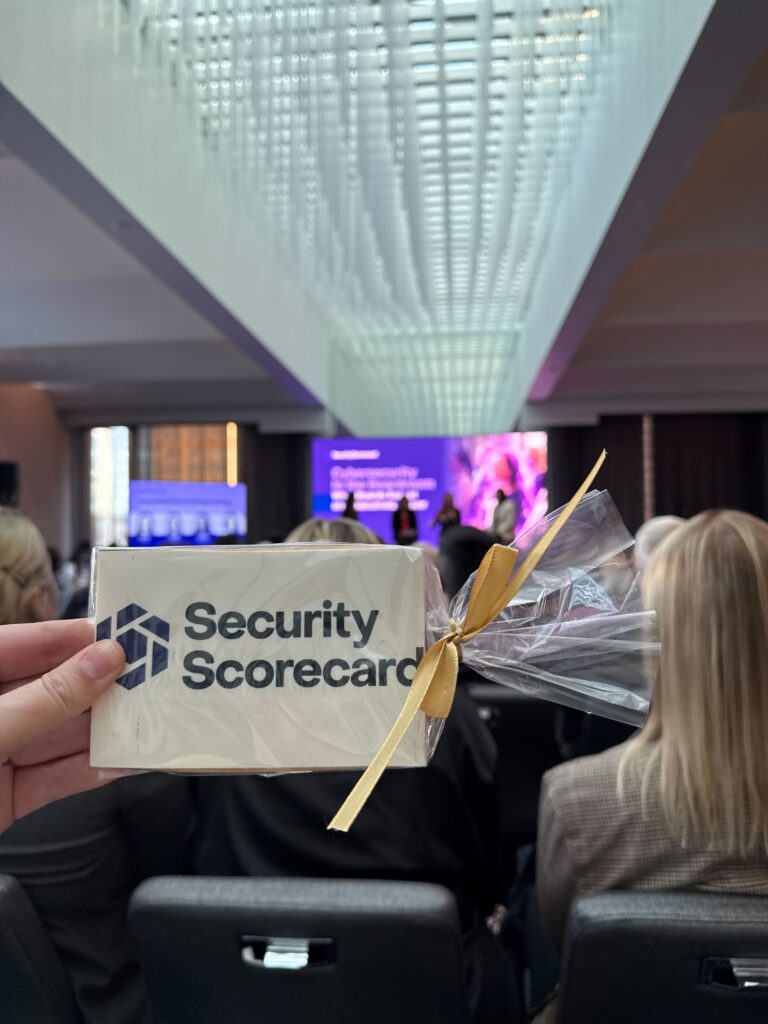
The panel focused on translating cyber risk to the board, strengthening governance, evolving incident reporting expectations, and how security leaders can adapt to increasing regulatory scrutiny and AI-driven threats. To learn more about the panel discussion, read our blog on the session here. All attendees also received a copy of Tracey Newell’s book, Hers for the Taking: Your Path to the C-Suite and Beyond.
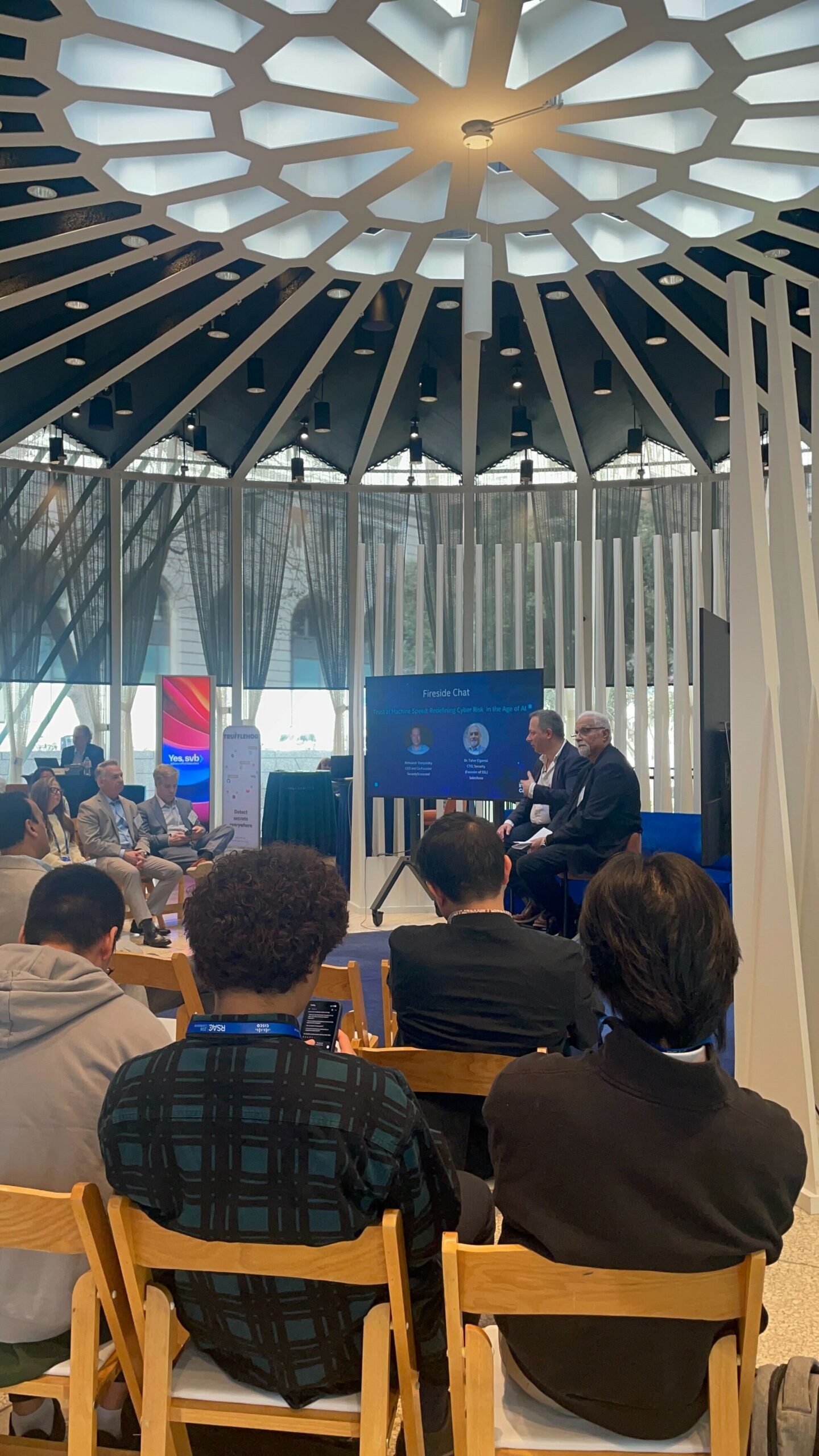
Later in the week, Dr. Yampolskiy, CEO and Co-Founder of SecurityScorecard, joined Dr. Taher Elgamal, CTO of Security at Salesforce and widely regarded as the “Father of SSL,” for a fireside chat hosted by Intel Capital at the SVB Experience Center.
The discussion explored how AI is reshaping decision-making across security teams. The emphasis was not on more data, but on turning data into action
“The job to be done does not change. What changes is the way you solve it and how much you alleviate the pain,” Dr. Yampolskiy said.
Building the Next Generation of Cyber Leaders
SecurityScorecard also contributed to conversations around innovation and leadership at RSAC 2026.
During the Tejas Cyber Network’s Cyber Entrepreneurship Summit, Dr. Yampolskiy shared insights on founding and scaling companies in his session, “Don’t Win the Market, Define It: A CISO Founder’s Guide to Category Dominance.” The session brought together a group of engaged CISOs exploring the transition from operator to founder.
“There’s no such thing as a permanent product-market fit. Technology changes. The market changes.”
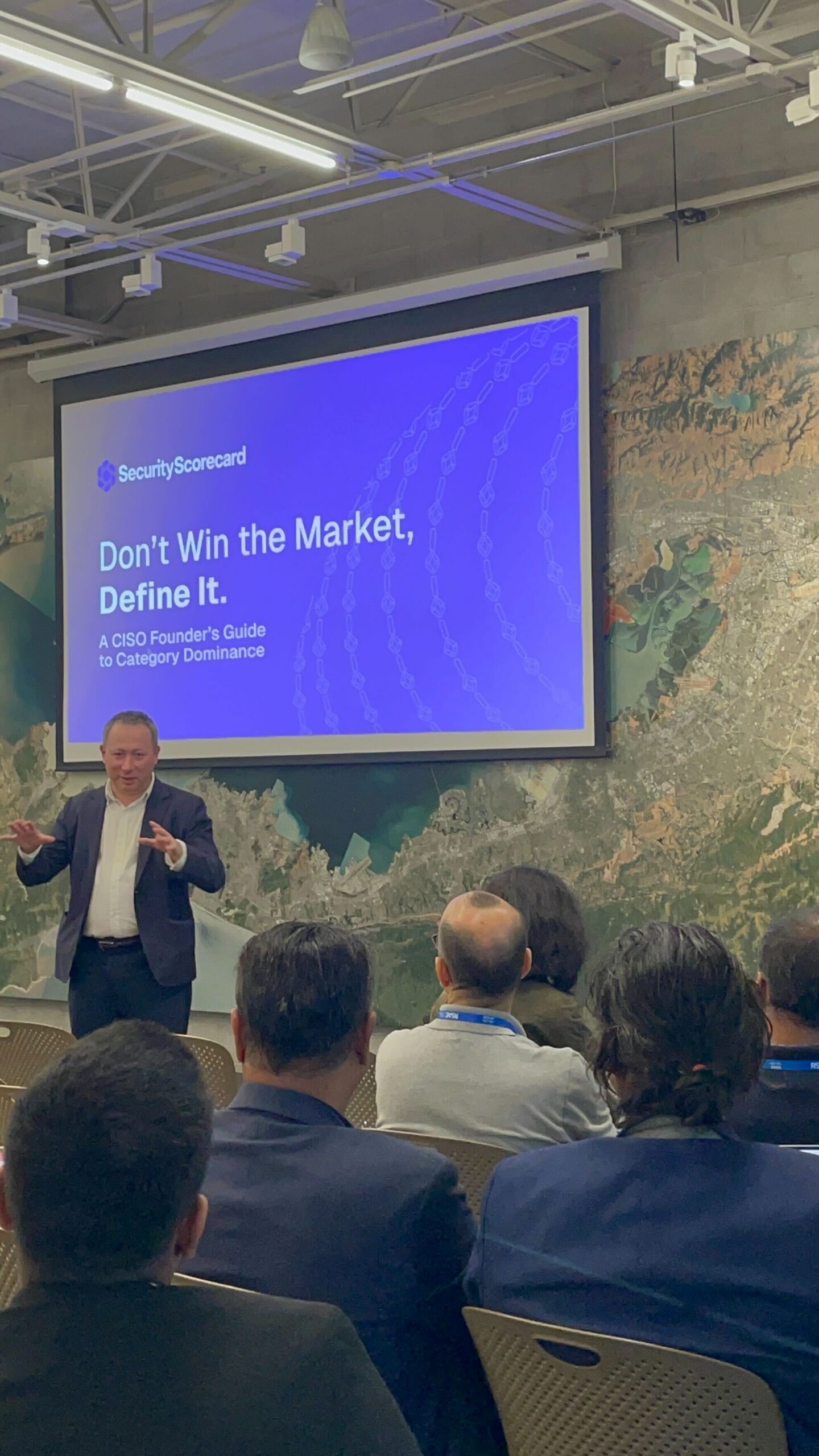
Dr. Yampolskiy discussed building SecurityScorecard from the ground up, securing early customers and investors, and continuously adapting as both technology and market expectations evolve. He emphasized the importance of solving real customer problems and staying close to practitioner needs—a guiding vision which still drives SecurityScorecard to this day.
Extending the Conversation Beyond the Conference Floor
The TITAN AI launch quickly gained traction beyond RSAC sessions and booth discussions.
Media outlets including SiliconANGLE, Security Boulevard, and Help Net Security covered the announcement. Dr. Yampolskiy shared insights in an interview with MergerMarket’s Mark Andress.
SecurityScorecard also shared insights through its weekly brief, featuring perspectives from product, engineering, and leadership teams, including from Brandon Dobrec (Senior Director, Product Management), Luke Tremont (Senior Solutions Architect), Vic Reynolds (Head of Channels), Kelsey Leon (Product Marketing Manager), Steve Cobb (CISO), Peter Jantzen (Chief Revenue Officer), and Amanda Smith (Channel Account Director, Public Sector).
Taking a “cyber threat exposure management approach to third-party environments is not just exciting to me, it’s necessary,” said Brandon Dobrec.
The Shift Toward Continuous, Threat-Informed TPRM
RSAC 2026 reinforced a clear direction for the industry. Third-party risk is expanding and AI is accelerating both attack and defense. Security teams need to move faster with greater confidence.
SecurityScorecard used the week to introduce TITAN AI, strengthen partnerships, and engage directly with customers and industry leaders. Across every conversation, the same theme emerged. Security teams do not need more disconnected tools. They need systems that connect exposure, intelligence, and response.
TITAN AI reflects that shift. It moves TPRM from a periodic exercise to a continuous, operational discipline.
Key Takeaways for Security Leaders
- Move beyond annual assessments to continuous third-party monitoring
- Prioritize tools that connect threat intelligence to your context
- Focus on reducing manual effort and increasing automation in TPRM workflows
- Integrate third-party risk data into security operations for faster response
- Evaluate concentration risk across shared vendors and cloud providers
- Align cybersecurity programs with board-level expectations and reporting
Explore The Future of Your TPRM
Learn how SecurityScorecard is helping organizations move from static assessments to continuous, threat-informed supply chain security. Explore TITAN AI or request a demo to see how your team can reduce third-party risk with greater speed and precision.